
Want to Predict the Next Bitcoin Rally? Here’s How the Pros Do It
Want to Predict the Next Bitcoin Rally? Here’s How the Pros Do It
Experienced traders don’t rely on luck—they use proven strategies to identify explosive crypto moves before they happen. At Xcel Trading Academy, we teach advanced techniques to help you stay ahead.
Bitcoin has become one of the most talked-about assets in the world. From dramatic price surges to steep drops, its volatility makes it both exciting and challenging to track. But what if you could predict the next Bitcoin rally before it happens?
Professional traders and investors use a mix of technical analysis, market sentiment, and macroeconomic signals to anticipate Bitcoin price movements. In this post, we’ll look at the most effective methods the pros use to forecast the next big Bitcoin breakout.
1. Technical Analysis: Reading the Charts
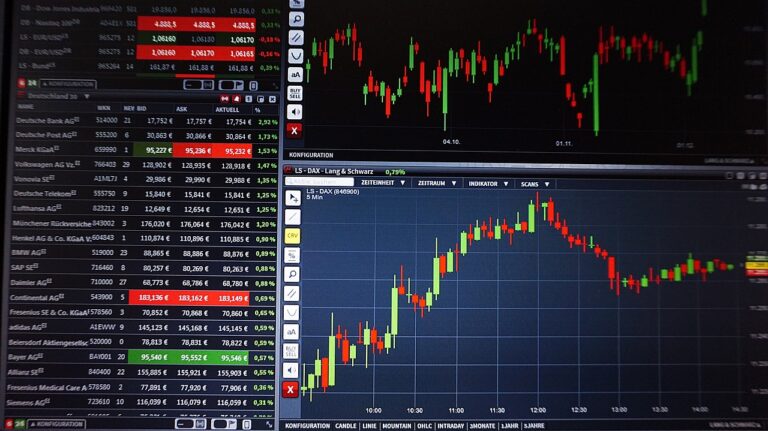
One of the most common tools used by crypto pros is technical analysis. This involves studying Bitcoin’s historical price charts to identify patterns and trends.
Key indicators include:
Moving Averages (MA): The 50-day and 200-day MAs are often used to spot momentum shifts.
Relative Strength Index (RSI): Helps determine whether Bitcoin is overbought or oversold.
Support and Resistance Levels: These price levels often indicate where Bitcoin might bounce or break out.
For example, when the 50-day MA crosses above the 200-day MA — known as a “Golden Cross” — it often signals a potential rally.
2. On-Chain Data: What the Blockchain Reveals
Unlike traditional markets, Bitcoin’s blockchain is public. This allows analysts to track valuable metrics such as:
Wallet activity: A surge in new wallets can indicate growing interest.
Whale movements: Large holders moving Bitcoin to or from exchanges may signal big trades.
Exchange balances: A drop in Bitcoin held on exchanges can point to long-term holding behavior.
On-chain tools like Glassnode and CryptoQuant are popular among professionals for tracking these metrics.
3. Market Sentiment: Crowd Psychology Matters
Understanding how traders feel about Bitcoin is just as important as technical data. Market sentiment tools measure the mood of the market through:
Crypto Fear & Greed Index
Social media trends and mentions
Google search trends for Bitcoin
When fear is high, prices are often low — and when greed dominates, we may be nearing a market top. The pros often buy when others are fearful and sell when the market gets overly greedy.
4. Macroeconomic Factors: The Bigger Picture
Bitcoin doesn’t exist in a vacuum. Global events and macro trends can influence its price:
Interest rates: When rates are low, riskier assets like Bitcoin tend to perform better.
Inflation: Bitcoin is often seen as a hedge against inflation.
Geopolitical tensions: Events like war or financial crises can drive investors to Bitcoin as a safe haven.
Pros keep a close eye on news from central banks, inflation reports, and geopolitical developments to anticipate how they might impact Bitcoin.
5. Halving Cycles: The Bitcoin Supply Shock
Every four years, Bitcoin undergoes a halving event, reducing the reward for mining new blocks. Historically, these events have led to significant rallies.
Here’s a quick timeline:
2012 Halving → Major rally in 2013
2016 Halving → Bull run in 2017
2020 Halving → All-time high in 2021
With the next halving expected in 2024, many traders are watching closely for signs of another potential Bitcoin rally.
Final Thoughts: Stay Informed, Not Hyped
Predicting Bitcoin’s next move isn’t about luck — it’s about staying informed. While even the pros don’t get it right every time, using data-driven strategies increases your chances of making smart decisions.
Keep learning, follow the charts, track the blockchain, and never invest more than you can afford to lose. The next Bitcoin rally may be closer than you think — will you be ready?